In northern Ghana, the distance between a mother and the care she needs can be significant.
For families living in rural communities, accessing healthcare can mean travelling long distances over difficult roads with limited transportation options. When complications arise during pregnancy or childbirth, those barriers can have serious consequences.
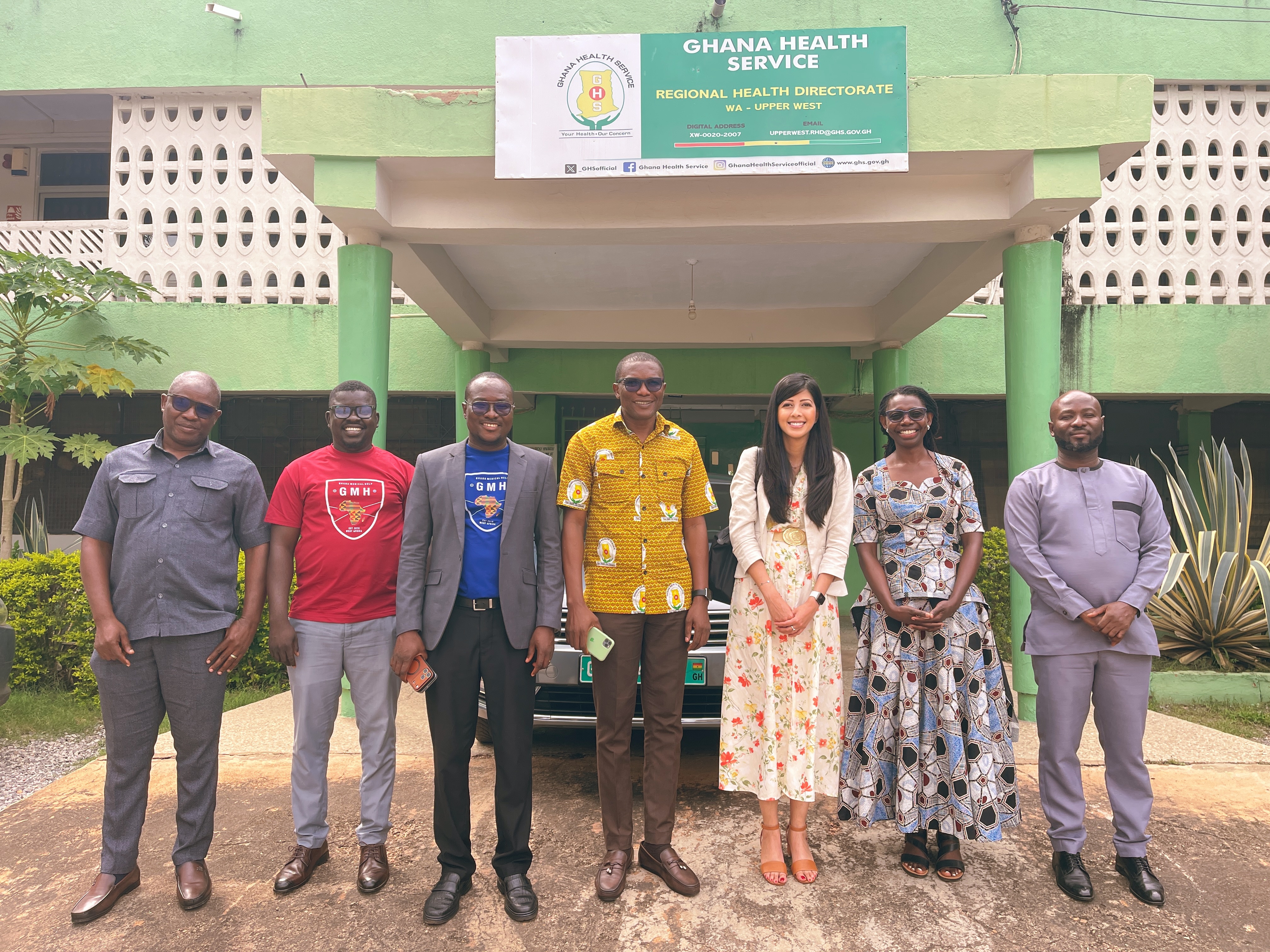
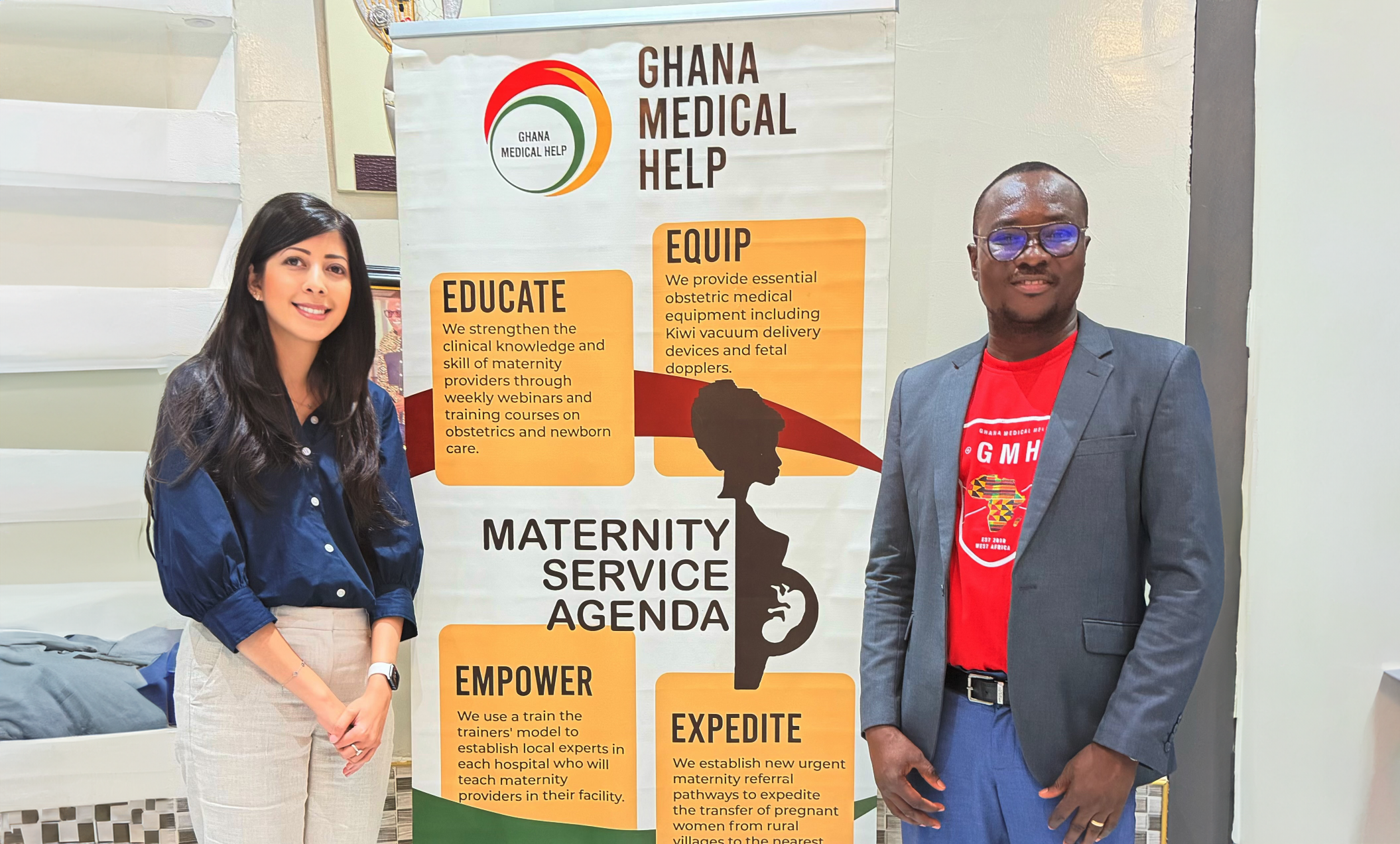
This August, Saiyyada Rizvi, Senior Manager with the Shah Family Foundation and Gloria Baylis Foundation, travelled to Ghana to see firsthand the work of Ghana Medical Help (GMH), a Canadian charity the Foundations have partnered with for the past three years to strengthen maternal and newborn healthcare.
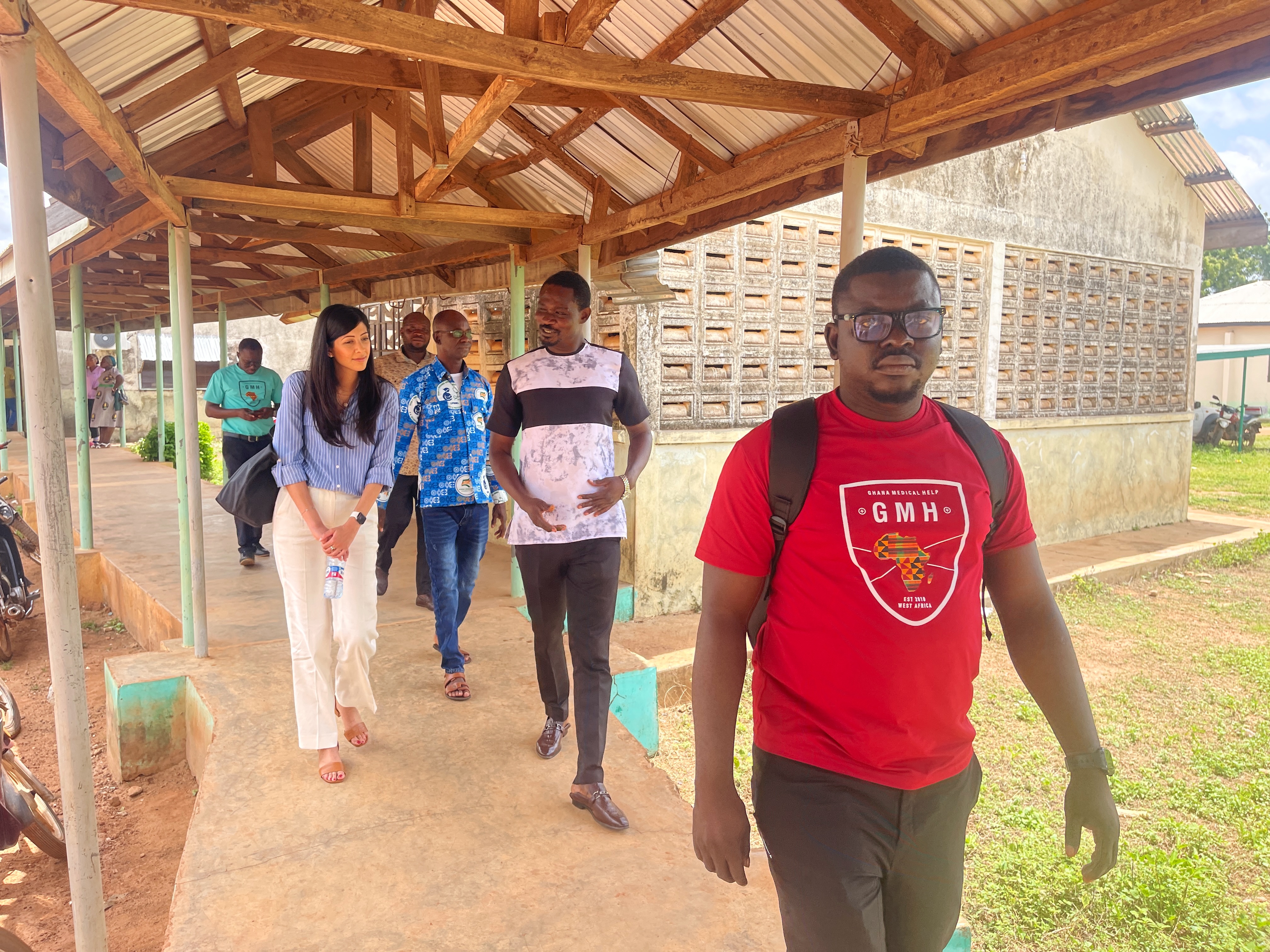
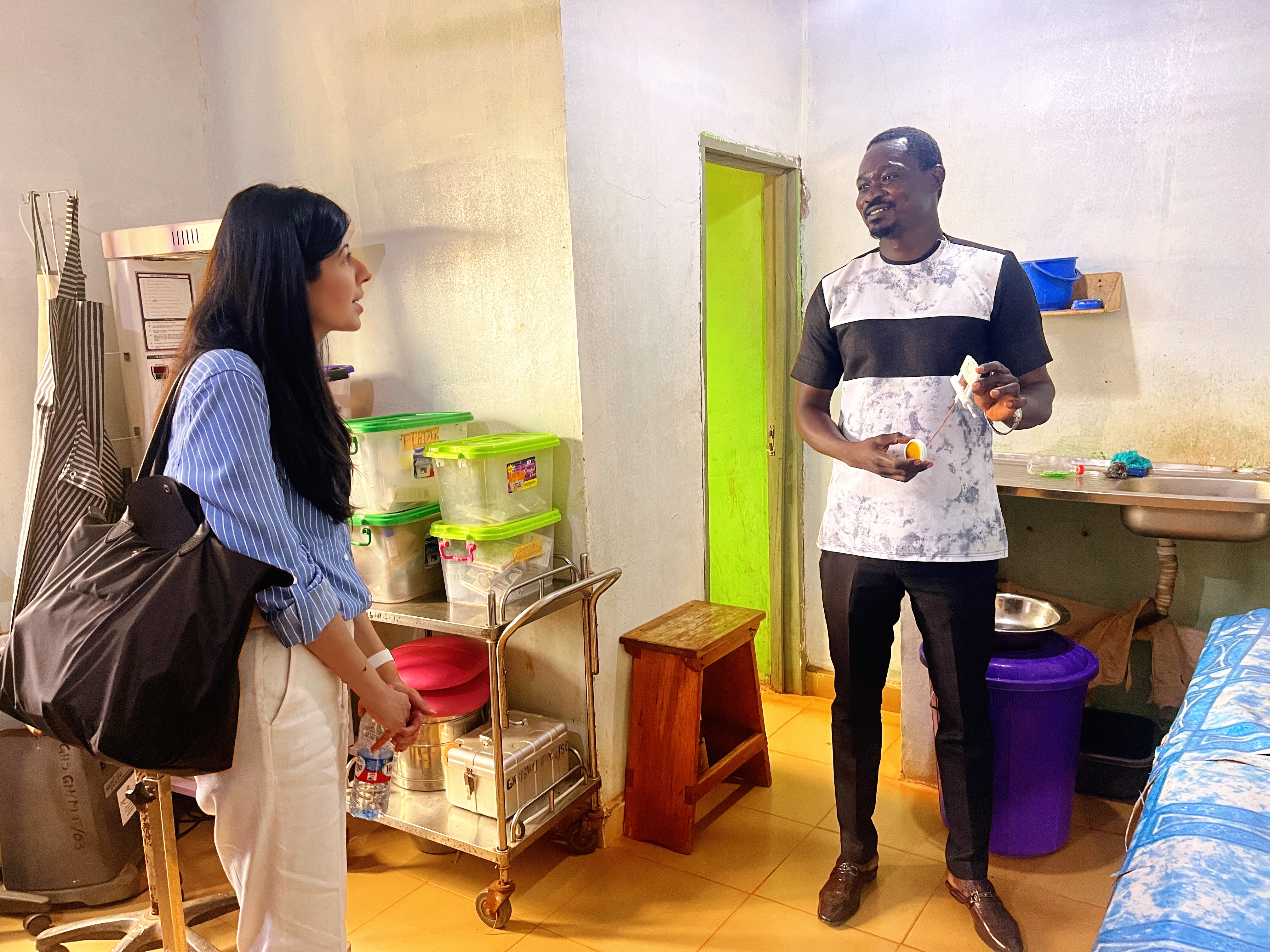
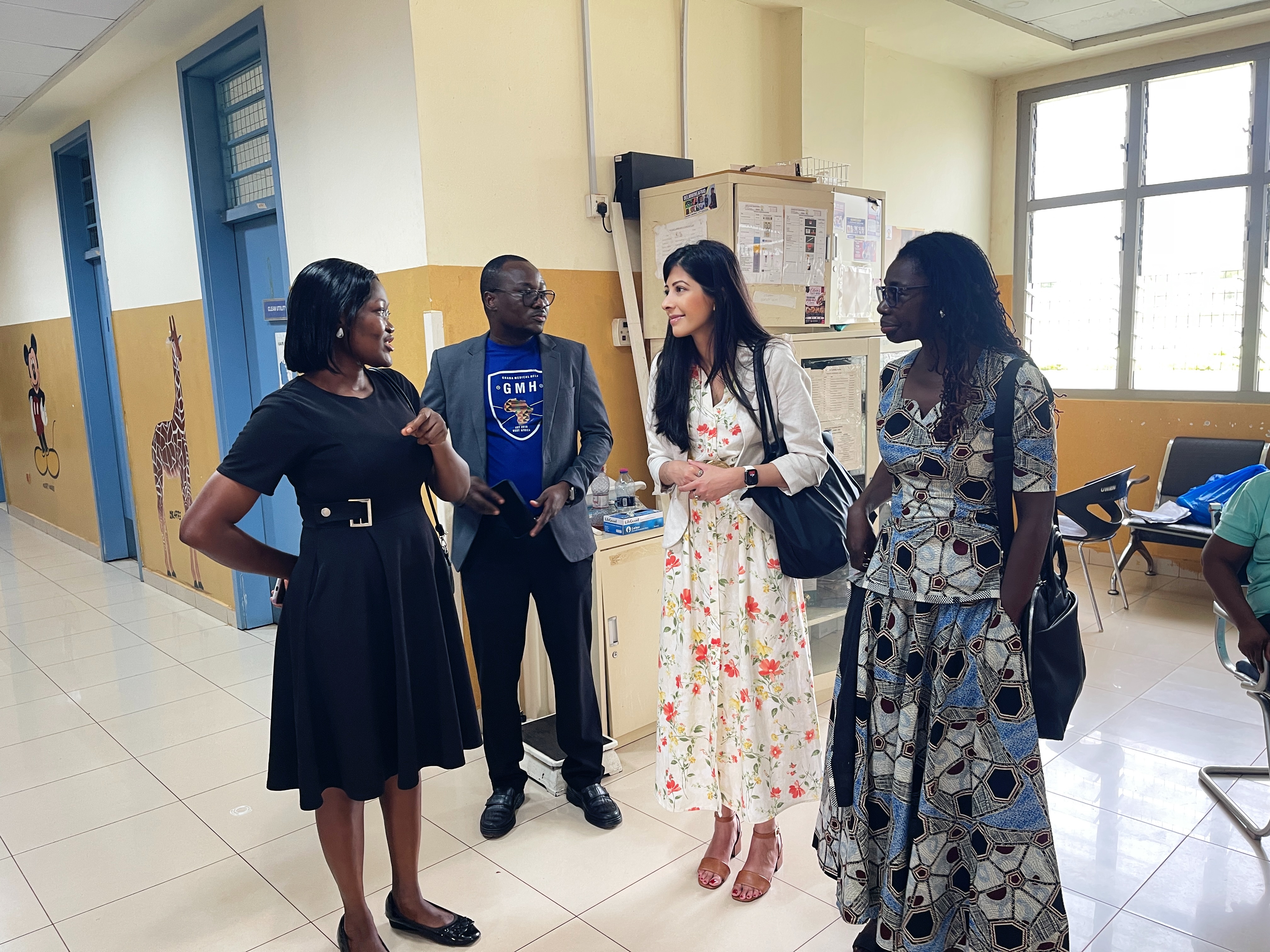
The visit provided an opportunity to travel through different levels of the healthcare system and, most importantly, to listen directly to the physicians, nurses, midwives and health leaders providing care.
Understanding the Challenge
Maternal and newborn mortality rates remain high in the region, with geography, infrastructure and access to resources creating additional challenges for families seeking timely care.
The regional hospital serves as the highest level of care, followed by district hospitals, health centres and Community-based Health Planning and Services (CHPS) compounds. Health centres and CHPS compounds are particularly important in rural communities, where they bring essential healthcare closer to families.
While hospitals manage high volumes of births and more complex cases, many of the health centres and CHPS compounds visited see approximately 80 to 100 births each month.
For many mothers, these facilities are their first point of care. If complications cannot be managed locally, they must be referred to a district or regional hospital, sometimes requiring significant travel over difficult roads.
This makes the ability to recognize and respond to complications at the community level critical.
Building Capacity Where Care Begins
Over the past three years, the Shah Family Foundation and Gloria Baylis Foundation have each contributed $137,500, for a combined investment of $275,000, to support Ghana Medical Help's maternal health work.
The program combines practical clinical training with essential medical equipment, helping healthcare professionals strengthen the care they provide within their own communities.
To date, more than 600 healthcare professionals have been trained to better recognize and respond to serious complications during pregnancy and childbirth, including hemorrhage, infection, pre-eclampsia and eclampsia, and complications during delivery.
The impact of that training was evident throughout the visit.
At the regional hospital, leadership shared that they have seen an approximately 50% improvement in the condition of patients arriving from participating health centres since the training program was introduced.
Behind that number are mothers reaching higher levels of care in better condition, complications being identified earlier and healthcare professionals better equipped to respond when something goes wrong.
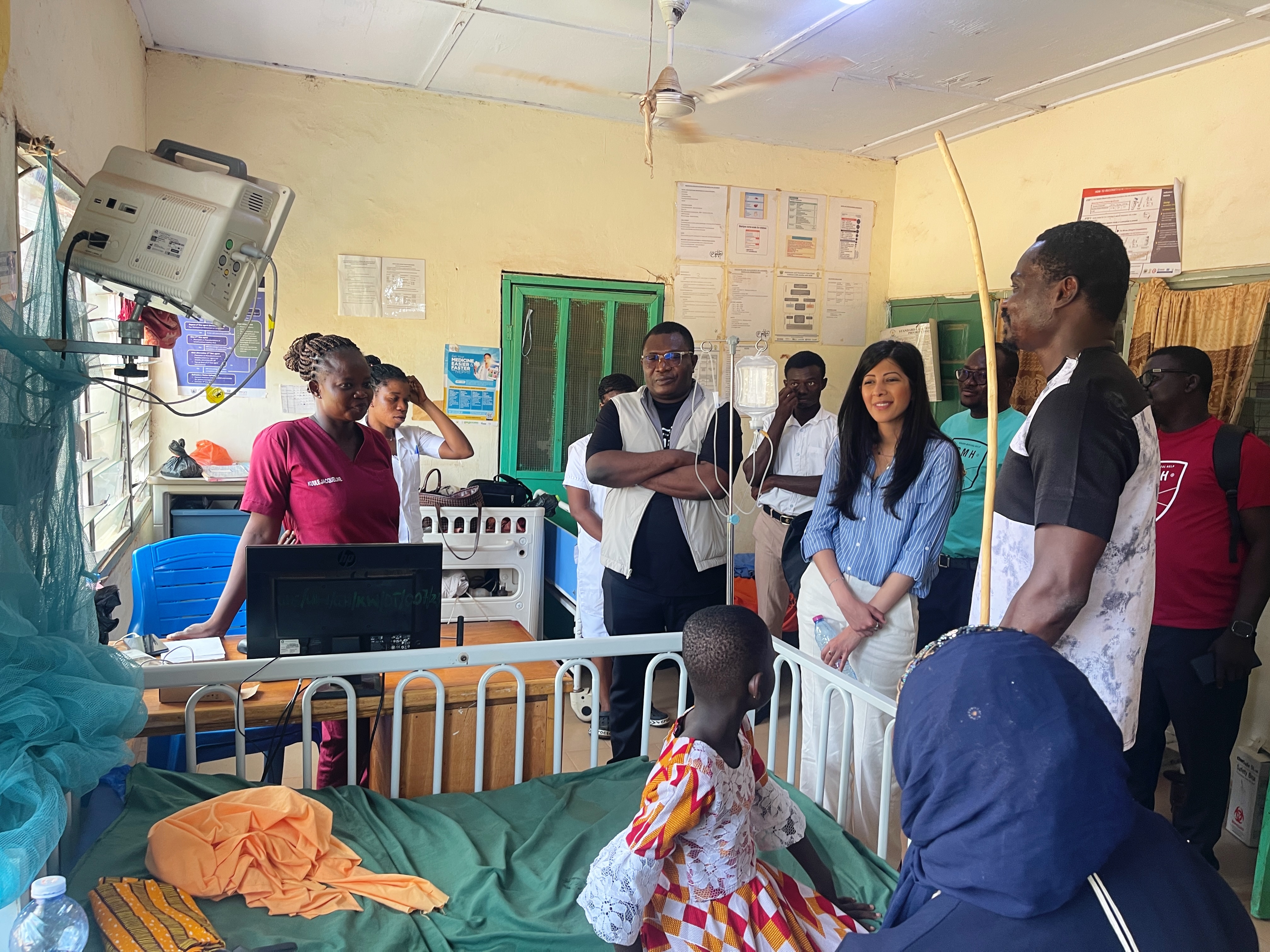
Seeing the Impact Firsthand
Walking through the hospitals, health centres and CHPS compounds also made clear how much work remains.
Resources and equipment that may be readily available in other healthcare systems cannot always be taken for granted. Distance and infrastructure continue to make accessing care challenging, particularly for families in rural communities.
Yet what stood out most was not what was lacking. It was the commitment of the people providing care. Across the facilities visited, physicians, nurses and midwives shared their experiences openly and demonstrated an extraordinary commitment to improving outcomes for mothers and newborns.
The visit reinforced an important principle behind the Foundations' approach to philanthropy. Lasting impact begins by listening to local communities and investing in the people and systems already working to create change.
Training provides knowledge that remains within a community. Equipment gives healthcare professionals the tools to put that knowledge into practice. Together, they can help strengthen care where it begins and improve the pathway to more advanced care when it is needed.
Significant challenges remain, but progress is being made. Behind that progress are hundreds of healthcare professionals working every day to provide mothers and newborns with better access to safe, timely care.
That is where lasting change begins.


.jpg)