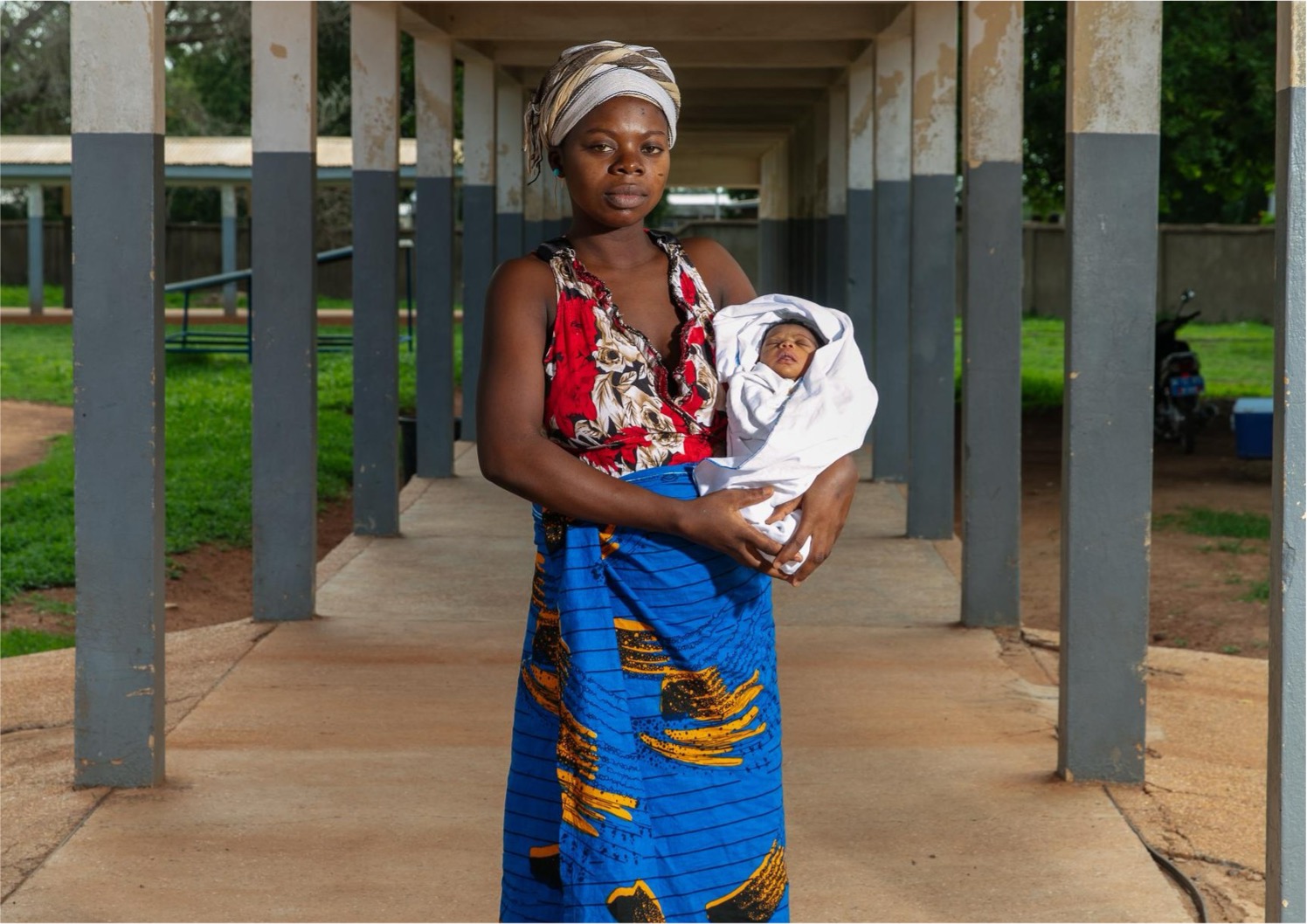
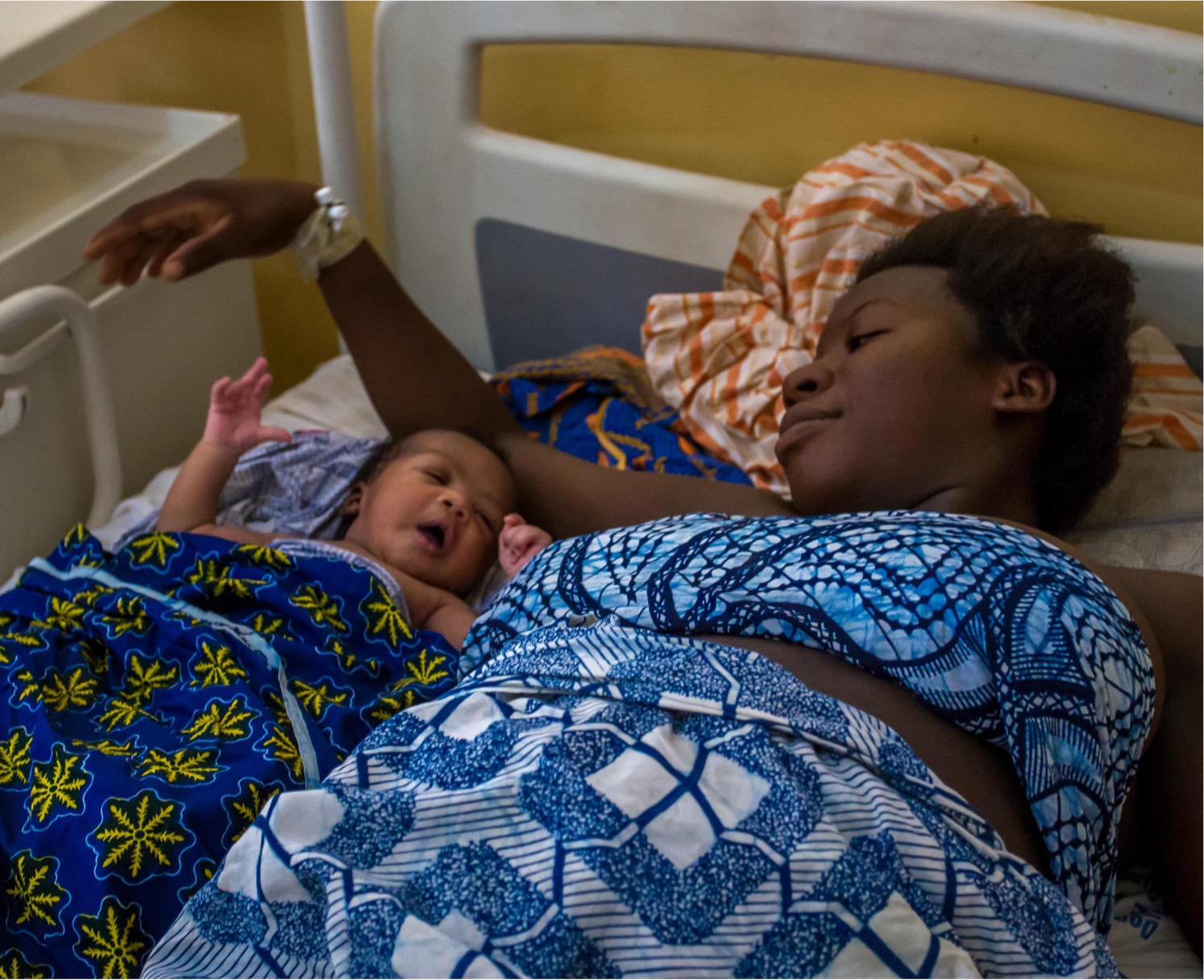
In many parts of northern Ghana, access to timely, high-quality maternal and newborn care can mean the difference between life and death. Strengthening frontline health systems and equipping local providers with advanced skills is essential to improving outcomes for mothers and babies.
In2025, the Shah Family Foundation supported Ghana Medical Help in scaling its Emergency Obstetric and Newborn Care (EmONC) training through the organization’s Maternity Service Agenda (MSA). This initiative builds local clinical capacity through a peer-led, Training-of-Trainers model that embeds skills and leadership directly within district health facilities.
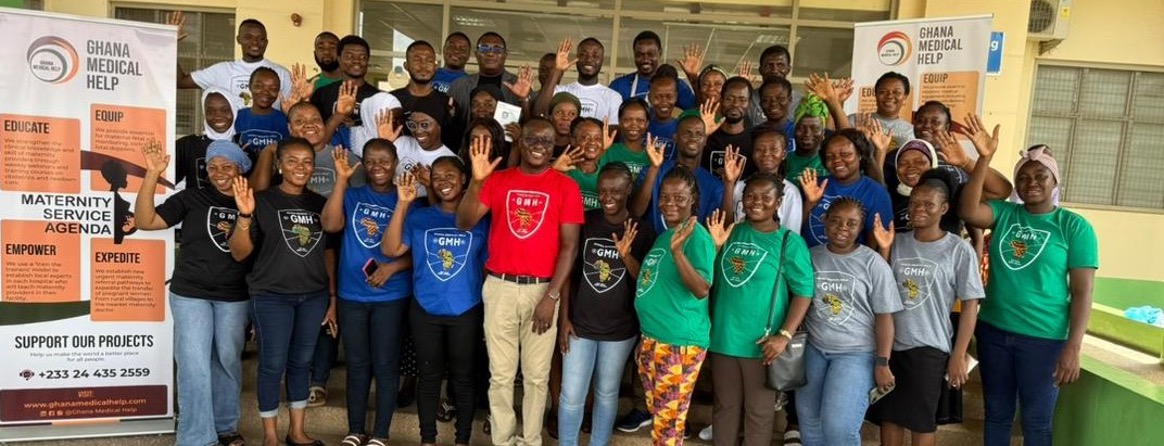
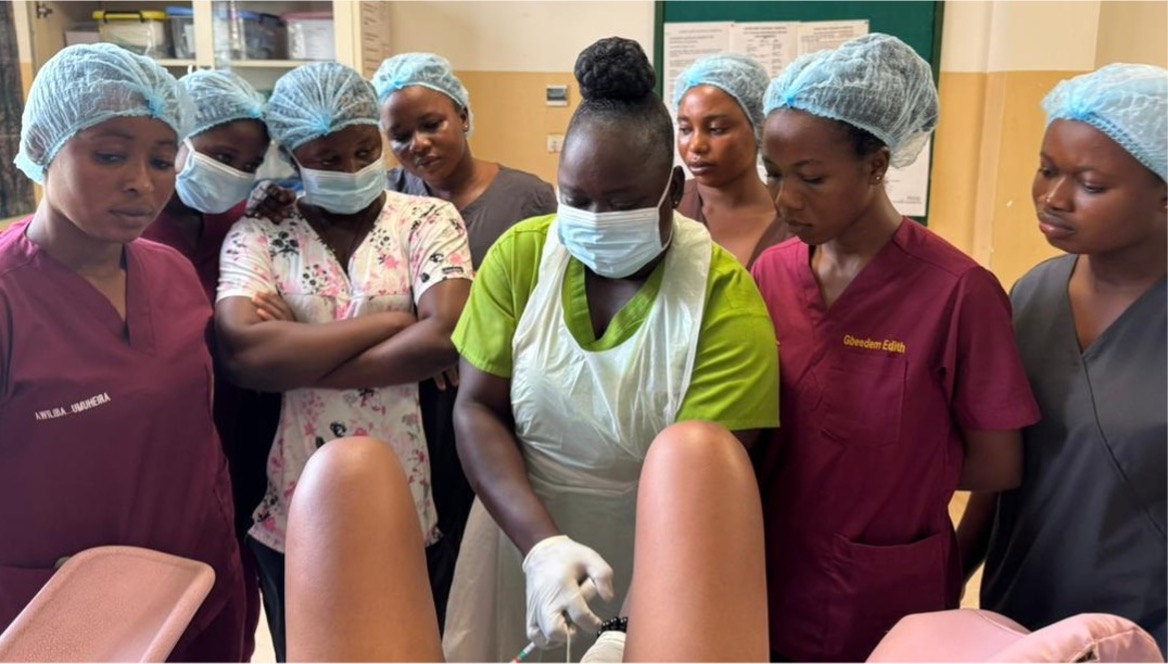
Through hands-on refresher workshops and ongoing mentorship, 81 healthcare workers, including physicians and midwives, were trained as local EmONC trainers, known as MSA Ambassadors. These trainers now lead regular peer trainings within their hospitals, strengthening emergency response capacity across 26 district-level health facilities in Ghana’s Upper East, Upper West, and North East regions. Collectively, these facilities serve a population of more than two million people.
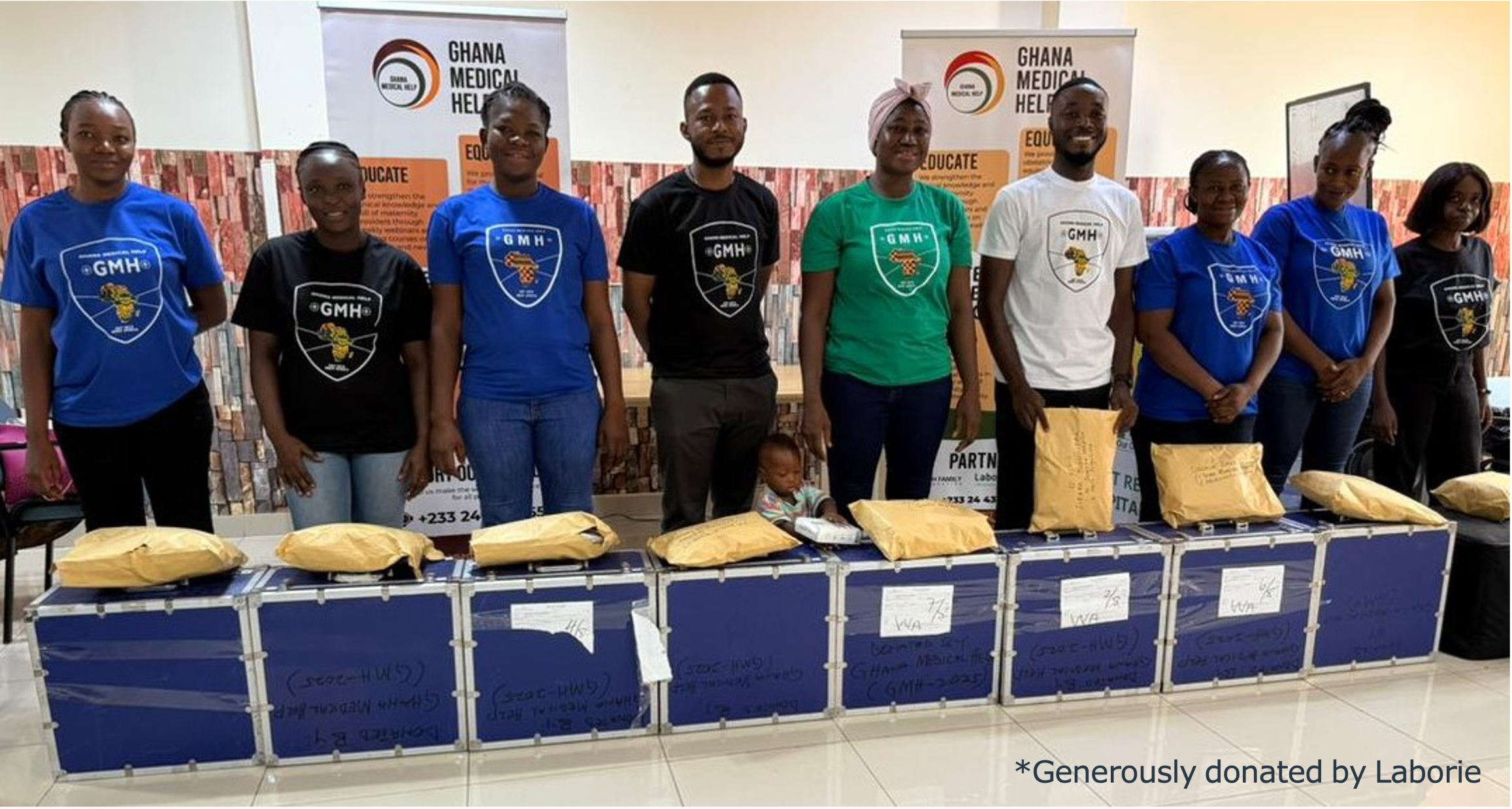
The 2025 training placed a strong emphasis on practical, simulation-based learning, enabling participants to build confidence in managing high-risk scenarios such as postpartum hemorrhage, assisted vaginal delivery, neonatal resuscitation, and hypertensive disorders of pregnancy. To support both training and patientcare, essential medical equipment—including vacuum delivery systems, fetal dopplers, and obstetric and neonatal training mannequins—was distributed to participating facilities.
Beyond individual skills development, the program strengthens entire health systems. By establishing hospitals as self-reliant training hubs, the MSA model ensures EmONC skills are reinforced regularly, national guidelines are applied consistently, and care teams are better prepared to respond collaboratively in emergency situations. This approach has contributed to improved clinical outcomes, including fewer unnecessary cesarean sections and more equitable access to quality care across rural and remote communities.
In 2025 alone, the program is expected to impact more than 90,000 pregnant women and newborns, with hospitals in the network serving millions of patients annually. As the Maternity Service Agenda continues to expand across northern Ghana, it is emerging as a scalable and sustainable model for improving maternal and newborn health in resource-limited settings.
At the Shah Family Foundation, improving access to health care means investing in solutions that build local capacity and endure over time. Through its partnership with Ghana Medical Help, the Foundation is proud to support a community-led approach that strengthens health systems, equips frontline providers, and helps save lives when it matters most.


.jpg)